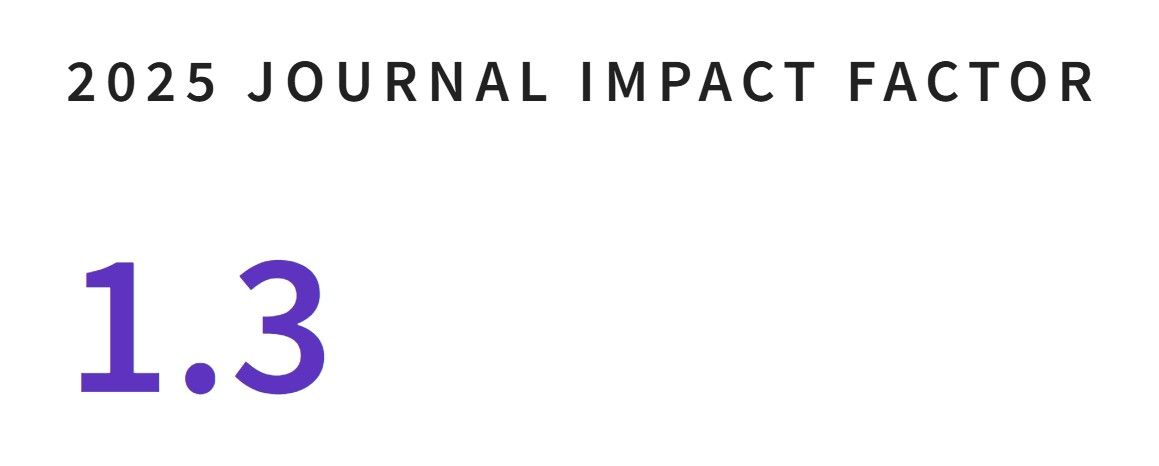
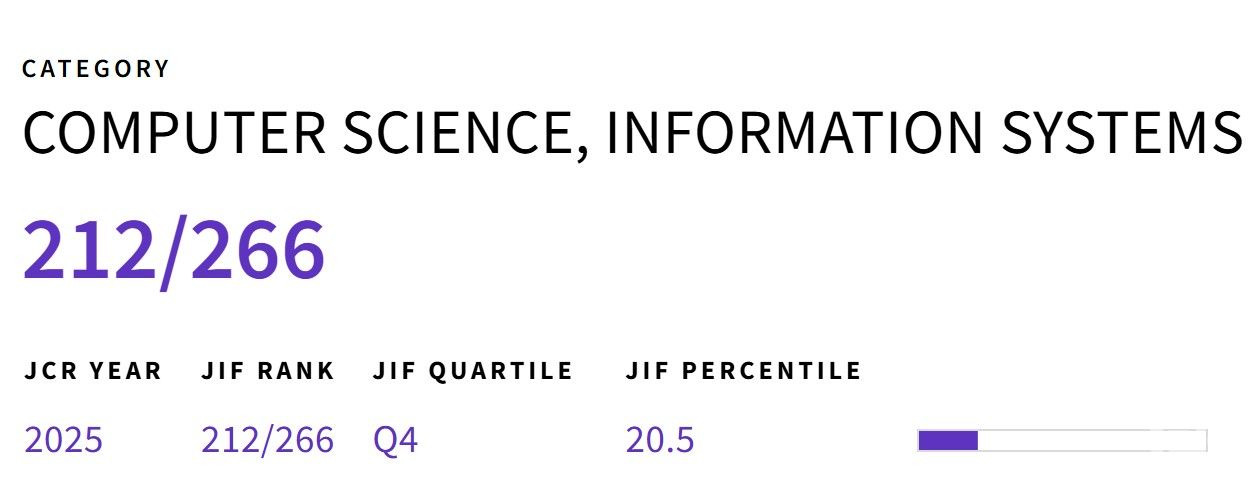
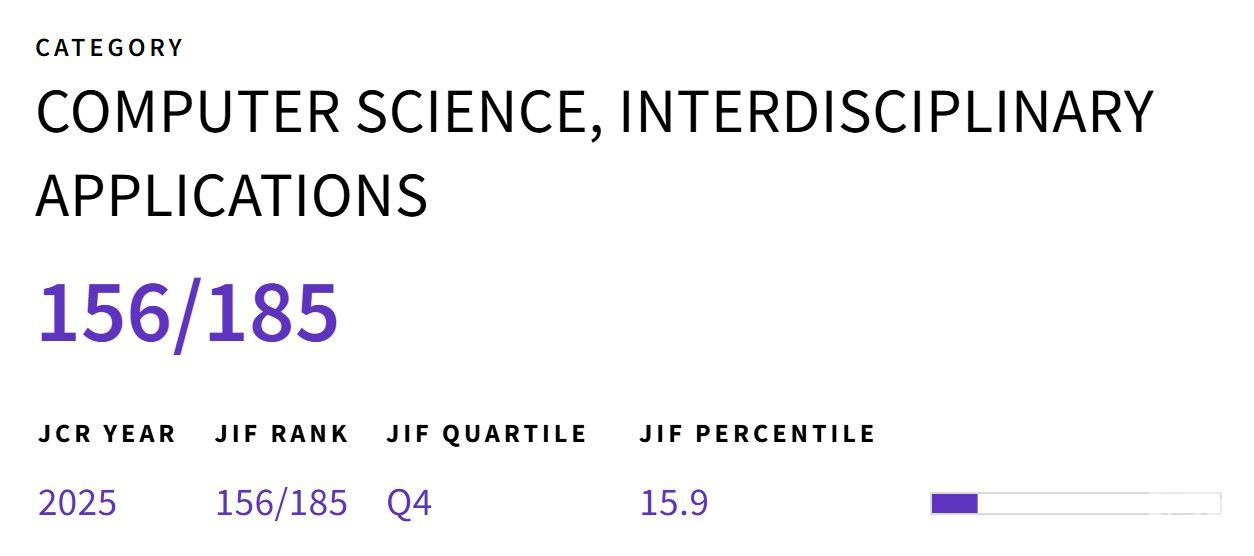

2025
doi: 10.12720/jait.16.12.1685-1705
Advancing beyond the Tank: Machine Learning Techniques for Detecting Water Quality and Temperature Anomalies in Intelligent Aquatic Systems
William P. Rey1,* ,
Kieth Wilhelm Jan D. Rey1 ,
Alberto C. Villaluz1 ,
Dan Andrew H. Magcuyao2
- 1School of IT, Mapua University, Makati, Philippines
- 2Department of Mathematics, School of Foundational Studies and Education, Mapua University, Manila, Philippines
- Manuscript receivedJuly 9, 2025
- revisedJuly 25, 2025
- acceptedSeptember 4, 2025
- publishedDecember 5, 2025
Abstract
This study aimed to enhance the Beyond the Tank system by integrating machine learning models for real-time anomaly detection in water quality and temperature data. Extensive sensor data was collected and preprocessed, leading to the development and evaluation of various machine-learning algorithms. The most effective model was integrated into the system, enabling continuous monitoring and real-time alerts for anomalies. The mobile app was also upgraded to support immediate notifications, improving user responsiveness to potential issues. The enhancements led to significant improvements in system efficiency, resource utilization, and user satisfaction. The findings demonstrate the potential of machine learning in advancing intelligent aquarium management, providing a solid foundation for future research and practical applications in this field.
Keywords
- beyond the tank
- anomaly detection
- Internet of Things (IoT)
- machine learning
- sensors
- and actuators
How to Cite
William P. Rey, Kieth Wilhelm Jan D. Rey, Alberto C. Villaluz, and Dan Andrew H. Magcuyao, "Advancing beyond the Tank: Machine Learning Techniques for Detecting Water Quality and Temperature Anomalies in Intelligent Aquatic Systems," Journal of Advances in Information Technology, vol. 16, no. 12, pp. 1685-1705, 2025. https://doi.org/10.12720/jait.16.12.1685-1705
Copyright & License
Copyright © 2025 by the authors. This is an open access article distributed under the Creative Commons Attribution License which permits unrestricted use, distribution, and reproduction in any medium, provided the original work is properly cited (CC BY 4.0).